
As Charlotte Eliminates Tradition, Something Bigger Is Lost
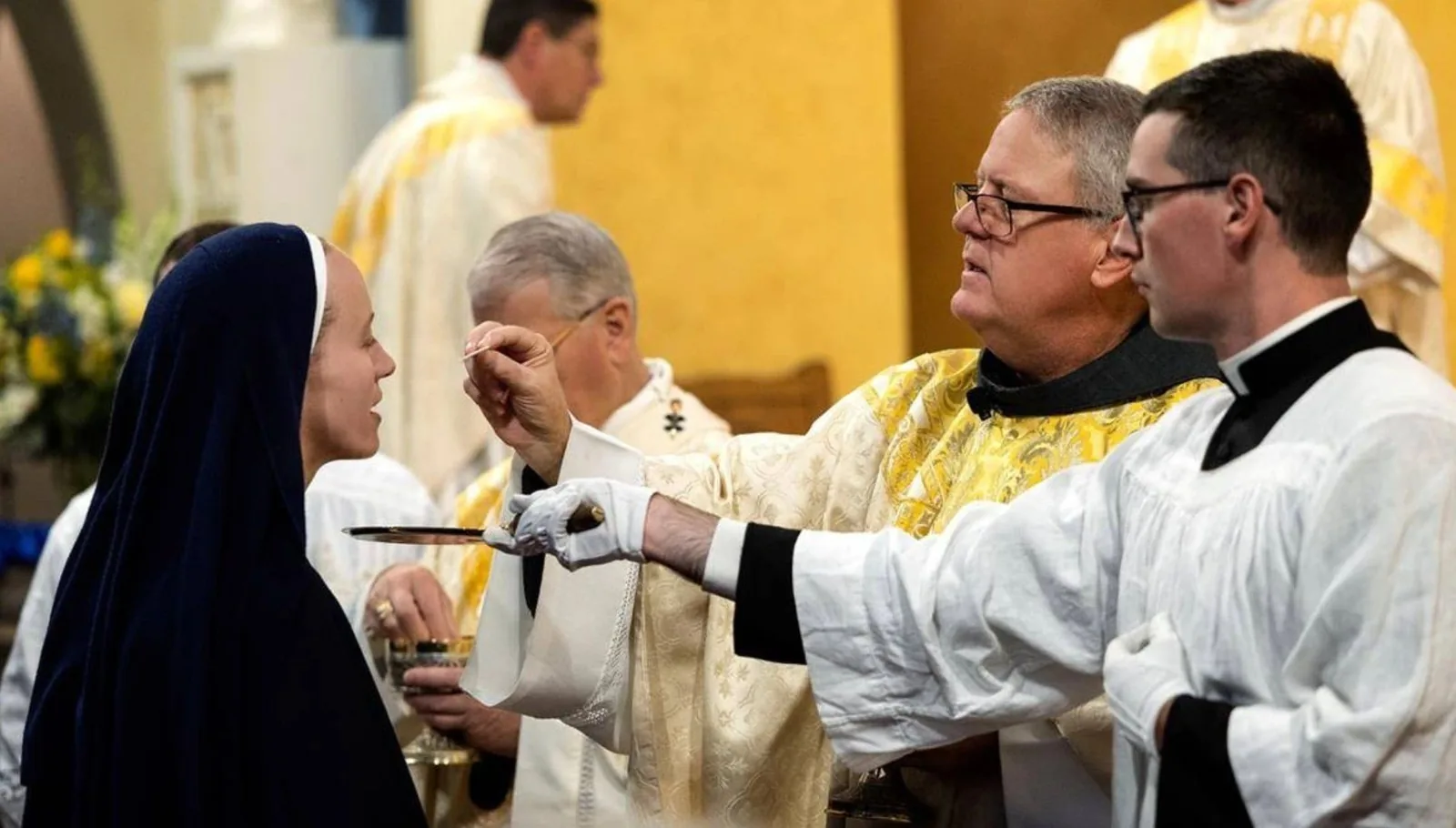
As the parishioners of St. Ann’s Catholic Church in Charlotte count down the days to Christmas, they’re also awaiting another, less joyful arrival. A deadline.
In a pastoral letter issued last week, Bishop Michael Martin set Jan. 16, 2026, as the date by which parishes in the Diocese of Charlotte are to stop using altar rails for Holy Communion. That’s where parishioners kneel at the front of the church to receive the host.
Going forward, Communion across the region is to be received in a standing, processional line, the way most American Catholics already do.

Even if you are Catholic, this can sound like an exceedingly technical change. Yet it touches the small habits that teach people how to approach sacred things.
Charlotte has found itself, more than once lately, at the center of broader debates inside the American Catholic Church. In the past year, the Diocese of Charlotte has drawn attention for decisions touching Catholic schools, the Latin Mass, and now the manner in which Communion is received.
Late last year, Catholic schools in Charlotte began to refocus on faith formation, angering some parents who had sought out the schools for more secular reasons: a high-quality college-prep education at an affordable price. In the fall, Martin prohibited parishes from celebrating the Traditional Latin Mass, an older form of worship that has drawn many Catholics seeking a deeper connection to tradition.
Each decision has its own logic, along with its own supporters and critics. Together, they raise a simple question: What does unity look like in a church that spans centuries and cultures?
That, too, might sound like a niche concern. It is not, or at least it shouldn’t be.
Read the rest at The Charlotte Observer.