
Stop Misusing St. Athanasius
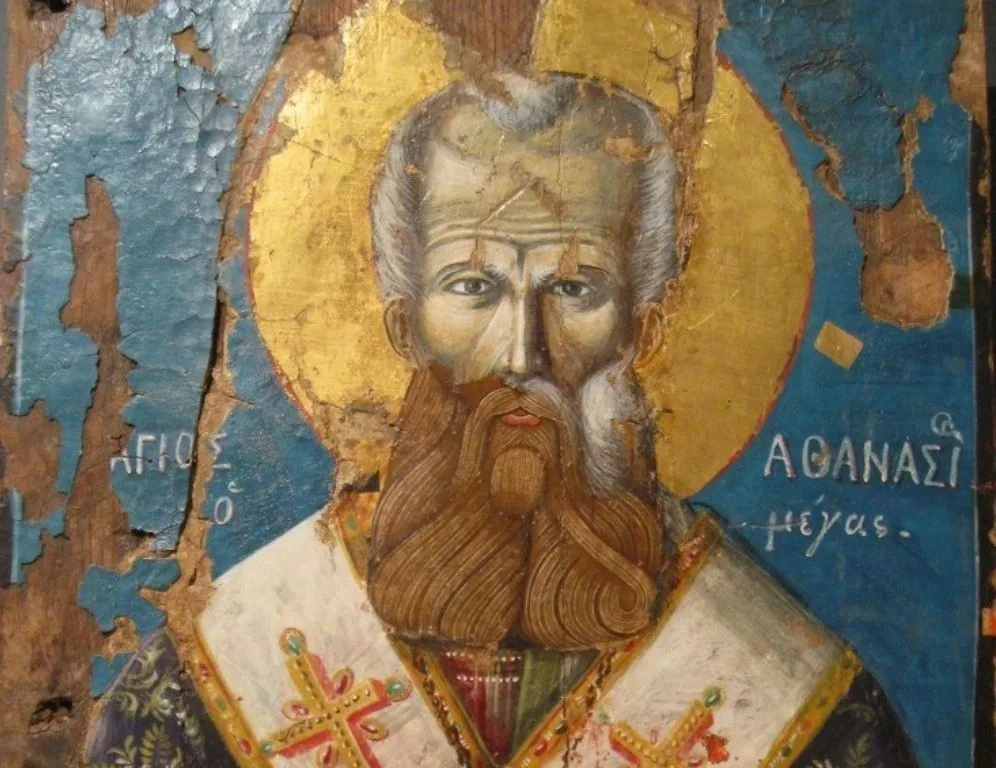
Stop misusing St. Athanasius to defend disobedience.
While some claim St. Athanasius was excommunicated by Pope Liberius, who evidently embraced the Arian heresy, these are historically disputed claims.
Contradictory testimony from historical sources make competing claims. E.g., St. Ambrose calls Pope Liberius a defender of orthodoxy — a direct contradiction of the claim that Liberius embraced semi-Arianism and excommunicated Athanasius. Other historians believe these claims are forgeries and that excommunication never happened.
Even among those historians who believe Pope Liberius lapsed, they agree he did so after torture and under coercion, making his condemnation of Athanasius invalid, and his signing of a statement embracing a vague formulation of semi-Arianism also invalid.
St. Athanasius never rejected papal authority. He appealed his exile through established ecclesiastical channels and maintained communion with Rome.
While ordaining clergy during his exile to sustain orthodoxy, he did so without explicit papal bans. He did not create new bishops in defiance of Rome.
Athanasius worked within existing dioceses to support faithful Catholics against Arian bishops & never set up rival institutions or a parallel magisterium, with separate marriage tribunals, independent chapels, schools, etc. Athanasius's interventions aimed to heal division, not perpetuate it through separate governance.
The argument that "disobedience preserves faith" has been used by heretics and schismatics throughout history (e.g., Donatists, Jansenists, Lutherans, Calvinists, etc.). Athanasius was eventually vindicated by the Church without causing schism. He unified Catholics under the authority of the pope.
St. Athanasius was a champion of orthodoxy, but also of fidelity to the Church and the Vicar of Christ put in place to lead the Church.